DIY Repainting a Painted Colorbond Fence: A Weekend Break Job
If your Colorbond fence has actually already been repainted once and the surface is now lifting, chalky, or sun-faded, you can bring it back to life over a weekend with the appropriate preparation and a stable strategy. I have painted lots of steel limit fences, some simply a couple of years old, others approaching twenty years of sunlight and sea air. A painted Colorbond fence reacts well to mindful cleansing, clever sanding, and a layer system that values just how factory-coated steel behaves. Shiny shortcuts look good for a month. Appropriate surface area work looks great for years.
Colorbond fencing starts with pre-painted, baked-on steel. That initial manufacturing facility surface is difficult, yet not unyielding. When somebody paints over it, your new layers are only as strong as what they are adhered to. That is why evaluating the old paint is the most essential hour you will spend all weekend. The remainder is approach and patience.
Why repaint instead of replace
An exhausted color is not an architectural problem. If the posts are plumb, the rails are tight, and the colorbond fence panels are sound, licensed colorbond installer painting is generally the very best worth. A straight panel that looks harsh can be restored for a little portion of replacement cost.
Across Australian suburban areas, complete colorbond fence installation is available in around AU$ 80 to AU$ 140 per direct metre for standard elevations when you consist of labor. If you include removal, disposal, difficult site access, and a gateway, that number can rise. Products alone, depending upon colorbond fence suppliers and local products, usually drop in the AU$ 45 to AU$ 80 per straight metre array for common profiles. Repainting the existing, despite having costs guides and topcoats, generally runs AU$ 8 to AU$ 20 per direct metre for DIY, assuming you currently have a couple of basic devices. The distinction is raw, especially on lengthy runs.
Repainting additionally lets you attempt something bolder than the typical scheme. You can soften a limit with a deep eco-friendly to push the fencing back aesthetically, pull accents from your roofing, or go two-tone with posts and rails for a deliberate, tailored look. If you are weighing colorbond fence ideas, paint opens more alternatives than a stock order sheet.
What you are up versus: manufacturing facility layer vs. Home paint
The initial Colorbond surface area is a baked finish over pre-treated steel. It withstands chalking and UV better than most field-applied paints. As soon as a fence has been repainted over, you are handling an additional finish, not the manufacturing facility layer. That topcoat may be acrylic outside paint, an alkyd enamel, or even an affordable multi-purpose product that was never ever implied for coated steel.
Your work is to determine 3 things.
First, just how well the present paint is stuck. If it is tightly bound, you can de-gloss and topcoat. If it is vulnerable, you must eliminate the loose material until you reach a solid base.
Second, whether there is rust beginning at cut edges, repairings, and ground contact. Steel is great under intact paint. When rust creeps in from a screw opening or a nicked side, you require to jail it.
Third, how smooth or glossy the existing movie is. The slicker the surface, the much more aggressive your de-glossing needs to be, otherwise the new coat will sheet off with the next period of thermal movement.
A quick analysis prior to you fill the ute
Spend half an hour with an utility knife, painters tape, a scourer, and a damp dustcloth. Damage the paint in a very discreet corner and lay tape over the cut. Hole it back. If paint comes off in huge flakes, prepare for larger sanding and targeted removing. If simply dust and a few specks lift, you can likely proceed with scuff sanding.
Rub the fence with a white fabric after a basic wash. Heavy chalk on the dustcloth indicates the existing paint is damaging down from UV. That is not fatal, yet you should cleanse till chalk transfer stops.
Press a coin against rust stains. If it smears yet does not pit, you are looking at surface area contamination from bolts or run-off. If you can really feel pits at sides or along the lower rail, spending plan time for rust conversion and priming.

Check the colorbond fence gates as thoroughly as the panels. Gates flex, and weak paint fails first on moving parts and edges. Hinges and locks frequently need degreasing, so your preparation will certainly be slightly different there.
Tools, materials, and paint system that work
Over years of trying combinations, I maintain returning to a basic system: a degreaser or sugar soap laundry, mechanical scuff to an uniform dull coating, targeted rust treatment, a corrosion-inhibiting steel primer on bare spots, and a top notch outside acrylic overcoat created for metals and previously painted surfaces. Do not put enamel over a large stretch of sun-exposed metal. Enamels get breakable, which is trouble on panels that increase and agreement daily.
Here is a limited checklist you can go shopping against.
- Soft clean gear: yard hose with trigger nozzle, soft brush, pail, sugar soap or light cleaning agent, and a plastic-safe degreaser
- Abrasion devices: non-scratch scourers, 180 to 240 grit sanding obstructs, and a post sander for reach
- Protection and repair: masking movie, drop sheets, corrosion converter, engrave or bonding guide for bare steel, void filler for articles to piece if required
- Application tools: 230 mm roller structure, 10 to 12 mm nap roller covers for semi-smooth metal, 50 mm angled brush, paint tray, and an airless sprayer if you desire speed
- Coatings: outside acrylic topcoat rated for metal and seaside UV, plus area primer suitable with both steel and existing paint
If you possess a tiny airless sprayer and understand how to take care of overspray, you will certainly defeat a roller promptly. If you do not, a roller and brush on edges will still end up a 20 to 30 metre run in a weekend with mindful planning.
Weather and timing issue more than technique
Painted steel suches as amazing, completely dry days. Plan for 10 to 25 ° C, reduced humidity, and no rain in the forecast for at the very least 24-hour after each coat. Wind is a double risk. It drives dust onto your wet film, and it flashes off solvents too quick, which can trigger lap marks or poor circulation. If you are functioning near the coastline, begin early when the air is calm, and finish coats before the mid-day breeze kicks up.
Block out time by sectors as opposed to the whole fence. For instance, tidy and sand on Saturday early morning, prime bare spots at lunch, after that put on the very first overcoat in the late afternoon. Sunday morning, look for missed locations in raking light, use the second coat, and do gates and touch-ups in the afternoon. 2 people working in sync can finish 40 metres of fence in this manner without rushing.
The preparation routine that conserves you from do-overs
I once had a client who promised the last painter prepped correctly. The new overcoat slid off in sheets when the lawn sprinklers ran the following day. We pulled an area back and located unfaded gloss beneath. The previous layer had never been typed in. That is the lesson: your brand-new paint must mechanically bite.
Start with a detailed damp clean. Hose down loosened grit, scrub with sugar soap, rinse, and let it dry. Areas near barbecues, parking lot, or plants with waxy leaves need a pass with a plastic-safe degreaser to kill unseen oils. Allow the surface area completely dry completely, not just look completely dry. A wipe with a clean, completely dry towel should return without chalk and no grime.
Scuff sand every accessible face up until the luster falls to an uniform dullness. On a painted Colorbond fence, that is normally fast. Focus on ridges, panel folds, and the slim return sides on top and base. If the initial manufacturing facility surface is exposed in little dots after fining sand, do not panic. That just indicates your previous paint was slim. You will prime those specks.
Address rust next. Wire-brush flaky places, wipe clean, and apply a rust converter according to the label. Converters require time. Do not rush to prime over them up until they have actually chemically established. On bare metal, use a compatible etch or bonding primer in a thin, even layer. Too thick, and primers can reduce and publish with your topcoat.
Mask anything you do not wish to repaint: block columns, wood messages, light installations, or planting that leans right into the fencing line. With sprayed job, be hostile with concealing. Overspray on home windows takes a trip further than you think.
Painting, coat by coat
A roller works well on flat stretches and leaves a refined stipple that reads as satin at a range. Cut in along edges, blog posts, and in between rails with a brush, then roll right into the damp edge so you do not see a brush line later. On profiled or ribbed panels, lots the roller slightly much heavier, after that tip off really lightly with a completely dry brush throughout the ribs to clear up the film.
For a clean sequence you can duplicate in areas, comply with these steps.
- Wash, degrease, rinse, and completely dry the fencing until a white fabric reveals no chalk.
- Scuff sand all painted surface areas to an uniform monotony, and dirt off thoroughly.
- Treat corrosion, after that spot-prime bare metal and fixed edges with a bonding primer.
- Apply the very first topcoat, functioning from the top down, handling lap lines in the shade.
- After the recommended recoat home window, use the second coat for colour depth and durability.
Most quality polymers will cover in two layers over an audio, comparable shade. If you are leaping from deep brown to a pale grey or green, anticipate a third pass in some light. Insurance coverage claims on tins are optimistic in the real world. Budget for 8 to 10 square metres per litre per coat on ribbed metal, a little bit higher on level profiles.
Gates, correctings, and other information that separate neat from rough
Colorbond fence entrances relocate everyday, so they reveal sloppy preparation. Take gates off if the joints allow a fast lift, or a minimum of block them open and remove the lock so you can paint undisturbed. Degrease hinges before you sand near them. Oil and dust mix into a paste that damages brand-new paint. After finishing, let the surface harden over night prior to reconditioning equipment. A dab of clear grease on hinge pins after the paint cures keeps squeaks away without staining your fresh colour.
At all-time low of the fencing, seek dirt touching the steel. Pull back compost or yard so that paint does not wick moisture from moist ground. If a piece fulfills the post line, check the joint. Where there are spaces, a flexible exterior sealant maintains water from merging behind the blog post and popping your coating.
Screw heads and pop rivets can be powerlessness. If they were changed over time, you may discover combined steels. Prime any kind of bare fastener heads. Where staining diminish from screws, that is usually normal steel bolts responding with water. Exchanging them for covered or stainless matchings enhances longevity and looks.
Colour options and matching what you already own
If the house makes use of Colorbond on the roof covering or gutters, you can stay in the family with an exact or near-exact suit by name. That claimed, painted finishes do not look the like a baked factory coat viewed from throughout the backyard. A satin or low-sheen acrylic obtains you better in spirit. Complete gloss on a fence reads affordable and shows every flaw. Deep matt can chalk faster outdoors.
I advise examination boards. Roll two coats on a scrap panel or primed sheet of metal and stand it beside the fencing at various times of day. North light takes out eco-friendly tones in greys. Evening light warms everything. If personal privacy is the primary aim, darker colours recede and make plantings pop. If warm is an issue on a limit that bakes, a mid-tone neutral holds temperature level far better than charcoal.
How repainting accumulate on spending plan and value
Homeowners typically ask whether there is such a thing as a cheap colorbond fence solution that still looks commendable. Cutting corners on paint is an incorrect economic climate. A spending plan outside acrylic that sells for AU$ 60 per 10 litres may look all right on a rendered wall surface, but it has problem with bond and UV on covered metal. A professional-grade outside polymer at AU$ 120 to AU$ 180 per 10 litres gives you solids material that takes on expansion and sunlight. You will make use of fewer layers and get more time between repaints.
For a 30 metre go for 1.8 metres high, you are repainting roughly 54 square metres per side, not counting ribs. By the time you factor in profile, two solid layers consume around 12 to 14 litres. Include primer for spot job and you are around AU$ 300 to AU$ 500 in finishes. Contrast that to colorbond fence prices for brand-new panels, rails, articles, concrete, and disposal, which can easily go across AU$ 3,000 before labour. Unless the fence is failing structurally, paint wins by a mile.
What can go wrong and exactly how to take care of it
The most usual blunder is repainting over chalk. Chalking is broken down pigment at the surface area. If you do not clean it away, the new paint bonds to dust rather than the panel. You can test preparedness by massaging with a tidy cloth. If your towel returns clean after cleaning, you are safe.
Another trap is painting in the sunlight. You see dry-to-touch in mins, think you are winning, and later uncover lap marks and bad bond. Collaborate with the shade, not versus it. If the sun is on the fence, button to the opposite side or order a break.
Blistering that appears a day later typically means dampness or solvent got trapped. That takes place when people repaint late at night, right before an overnight dew. If it happens in tiny spots, sand back the bubbles, allow the location take a breath a day, and plume in a fresh coat.
If you notice flaking the very first time the panels flex on a warm day, you likely painted over gloss or silicone contamination. It is a pain, however the repair is uncomplicated: sand back till you get to solid paint, de-gloss, and recoat. On silicone, sometimes you should quit and replace it with a paintable sealant.
Upkeep that maintains the surface looking fresh for years
Colorbond fence upkeep is somewhat light. Rinse with a tube a couple of times a year to get rid of salts and dust, especially near the shore or busy roads. Keep sprinklers off the fence. Tough water leaves mineral lines that etch coatings. Trim bushes back an arm's length so leaves do not sit damp against the paint.
After tornados or high winds, do a five-minute stroll. Try to find branches that have gouged the film or loosened up fixings. Repair scratches prior to rust can begin at the break in the covering. A small musician brush and a jam container of your overcoat live well on a garage rack for this.
Privacy, neighbors, and making a border feel intentional
Colorbond fence personal privacy is one of the big factors people pick it in the first place. Painting provides you a possibility to reinforce that goal. Darker fences not just make a lawn feel even more personal, they visually press back borders. If your neighbor's side looks harsh and you see it over the top, a deeper top rail and messages help have the view.
You can likewise play with basic colorbond fence designs that do not require woodworking. Paint articles and rails one tone darker than the panels for a calm framework. Make use of a slightly lighter shade on the garden side to mirror a lot more light right into a slim side passage. If you have a colorbond paling fence on an older shed, merge it by painting the fence and shed cladding in relevant tones. Also small edits make a backyard really feel calculated instead of patchwork.
When to bring in help
If you find extensive corrosion at ground degree, misshapen panels, or leaning blog posts, you are outside the scope of a weekend break paint job. That is an indication to call colorbond fence contractors to examine framework and water drainage. They can recommend whether isolated articles and panels can be replaced, or if a longer area requires interest. Regional pros additionally know which colorbond fence suppliers bring weird profile substitutes if your fencing is older.
If you prepare to spray near automobiles, home windows, or a neighbor's swimming pool, evaluate the risk. A roller is slower however safer. Numerous professionals will certainly tackle just the splashing section if you do the cleansing, covering up, and sanding. That hybrid strategy maintains costs down while making use of a professional where the risk sits.
A few area notes from actual jobs
On a coastal work south of Perth, an ocean-facing fencing with a previously painted finish was chalking so severely that washing left wild water touches on the drive. We cleansed two times, as soon as with sugar soap, then a pass with degreaser. Just after the dustcloth came back clean did we sand. Due to the fact that the previous paint was a budget satin, we hit metal at a loads tiny factors along ribs. Those flecks obtained an epoxy-based metal guide. The acrylic overcoat leveled beautifully, and three summertimes later it still grains water.
In a hilly suburb with great deals of periodontal trees, a customer complained their new paint looked blotchy at various times of day. The wrongdoer was not the paint. The fencing had a mild belly that caught raking light. We minimized the sheen from satin to low-sheen on the second day. The lower reflectivity hid the bow and provided a much more even check out from the kitchen window. Occasionally style choices address what fining sand cannot.

On a service where budget ruled, the proprietor desired a cheap colorbond fence fix. We told them the only acceptable concession was less colours, not lower paint. We kept it to one costs acrylic, no attribute colour on entrances, and did it by roller to avoid hiring a sprayer. It took a couple of even more hours, however the surface outlasted their lease cycle without a call-back.
Sourcing and tiny acquisition decisions that matter
Buy primer and overcoat from the very same brand name household where possible. Compatibility is less complicated, and if there is a failure, you have one technological assistance line. Shade charts exist under fluorescent store lights. Constantly step outdoors with the example. If you need suggestions, profession desks at trustworthy colorbond fence suppliers see a great deal of failings and can guide you far from the common mistakes specific to your climate.
Hardware counts. If you are replacing a colorbond fencing entrance lock, select a powder-coated or stainless system. It maintains rust touches off your fresh paint. For concealing, invest a few bucks a lot more on UV-stable tape. Inexpensive tape bakes on and splits when you pull it, which can destroy a perfect top imprison a solitary, swearing minute.
A clear, sensible weekend plan
You are not building a fencing from the ground up. You are revitalizing a painted colorbond fence with technique and manageable initiative. Two days is enough for the majority of rural runs if you do not obtain greedy regarding location per coat. Prep is your financial investment. Coats are your return.
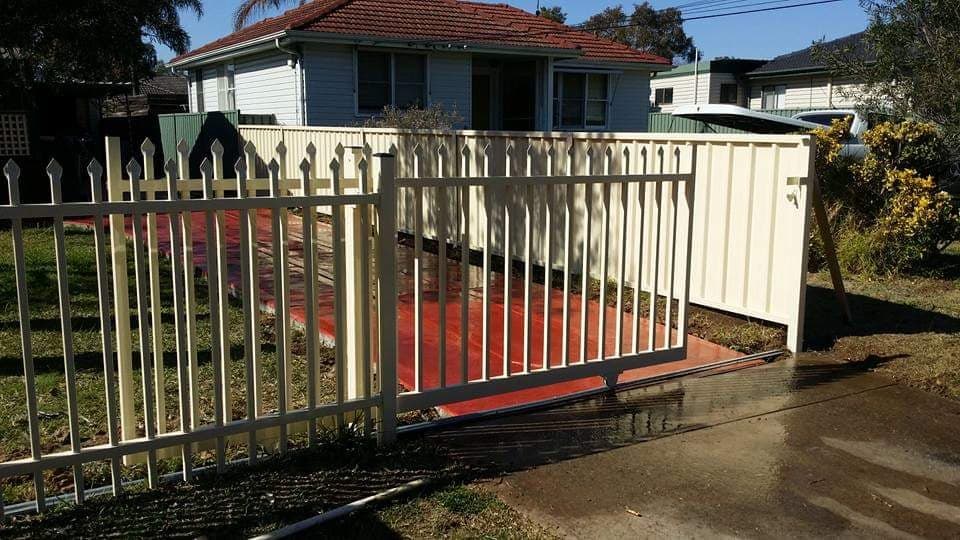
Block your time, respect the surface area, and let the materials do their work. A fence is not a feature wall. It is a workhorse backdrop that frames your yard and provides you privacy. When it looks taken care of, the entire yard really feels better.
With an excellent wash, a thoughtful scuff, spot-priming where the steel looks with, and 2 individual layers of top quality acrylic, you will abandon Sunday night to a limit that looks brand-new once more. It will not have the fragile gloss of a hurried task. It will have a soft, even sheen that claims somebody understood what they were doing. And following weekend break, you can bother with the plants rather than the fence.